Syensqo accelerates the decarbonization of its Saint-Fons site with support from the French government
Syensqo’s decarbonization project at its Saint-Fons site has been selected under the “Major Industrial Decarbonization Projects” call for proposals, part of the France 2030. With a €20 million investment and a partnership with Dalkia, the project will reduce emissions by 22 ktCO₂ per year and marks a major milestone toward carbon neutrality by 2040.
Syensqo has reached a new milestone in its climate strategy. Its decarbonization project at the Saint-Fons site in the Rhône region has been selected under the “Major Industrial Decarbonization Projects” call for proposals, part of the France 2030.
The initiative is one of seven industrial projects chosen by the French government to accelerate the decarbonization of key industrial sites across France.
A major investment to build a low-carbon energy mix
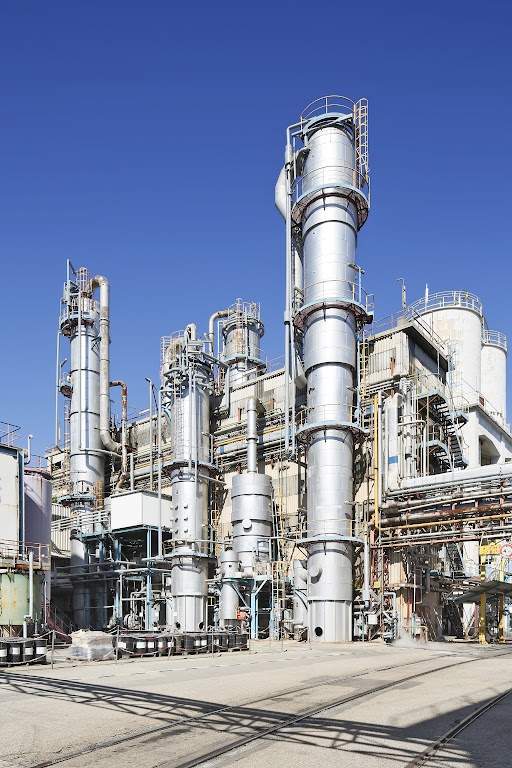
At Saint-Fons, Syensqo will install a large-capacity electric boiler to produce decarbonized steam, replacing two existing natural gas boilers.
-
Total investment: €20 million
-
Expected reduction: 22 ktCO₂ per year
-
Commissioning scheduled: 2029
The project will be implemented in partnership with energy provider Dalkia.
This electric boiler complements the biomass boiler currently being installed at the site. The first low-carbon steam production is expected by the end of 2026, primarily using wood waste sourced from the Rhône-Alpes region as fuel.
Together, these projects will enable the Saint-Fons site to almost completely phase out fossil fuels and establish a resilient, low-carbon energy mix.
Strengthening competitiveness and energy autonomy
As Arnaud Douet, Industrial Director at Syensqo, states:
“Our decarbonization projects strengthen both our competitiveness and our energy autonomy at a time of high volatility in energy and carbon prices. They demonstrate our ability to combine industrial performance with climate action while securing the future of a resilient chemical industry in France.”
Jérôme Aguesse, Regional Director at Dalkia, adds:
“By creating this low-carbon energy mix with Syensqo, we are linking competitiveness and decarbonization over the long term. The industry of tomorrow will either be sustainable — or it will not exist.”
A project aligned with Syensqo’s One Planet ambition
The Saint-Fons initiatives are part of Syensqo’s global One Planet ambition, which aims to:
-
Reduce Scope 1 and 2 emissions by 42% by 2030
-
Achieve carbon neutrality by 2040
They also contribute to the broader decarbonization efforts of companies in the Vallée de la Chimie, particularly through the low-carbon industrial zone “DECLYC,” supported by France 2030.
The Saint-Fons site is a historic specialty chemicals site producing vanillin for the food industry and solutions for agriculture, perfumery, pharmaceuticals, electronics and polymers
CONTACT